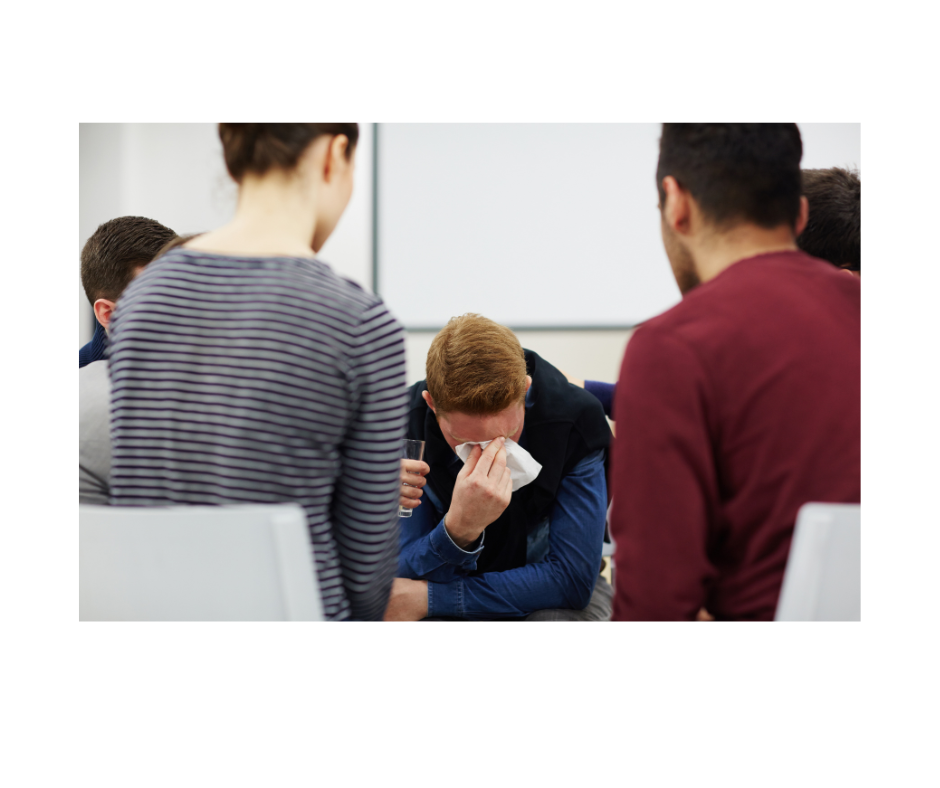
Your people are grieving.
Right now, today.
And most companies have no idea what to do about it.
Let’s look at the numbers
At any given time, 1 in 4 people in your workplace is dealing with grief. According to the CDC, unsupported grief costs US companies up to $225.8 billion annually in lost productivity, absenteeism, disengagement, and turnover.
And yet most organizations have return-to-work policies for physical injury, programs for mental health, resources for financial wellness and almost nothing for grief beyond a referral to the EAP and a few days of bereavement leave.
Your people deserve better. And the truth is, so does your business.

What a Grief Resilient Workplace actually looks like
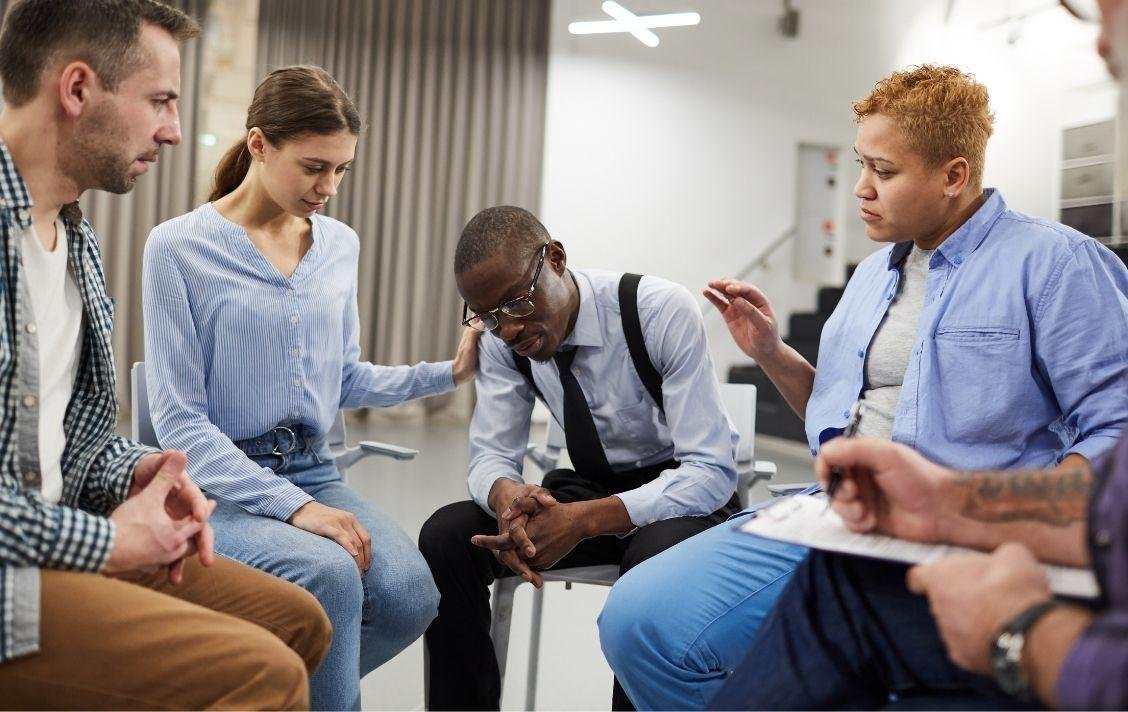
It doesn’t mean turning your company into a grief support group. It means building the knowledge, the skills, and the culture that allow people to grieve and work without having to choose, hide, or leave.
It means your managers know how to have the first conversation and how to keep the door open. It means your team understands that grief isn’t a problem to be solved on a timeline. It means when something devastating happens to an individual, a team, or the whole organization you have a response that’s worthy of the people you’re asking to show up every day.
That’s what I build with you.

You’ve seen it. You just may not have named it.
The team member who came back from bereavement leave technically present but clearly somewhere else - for months.
The manager who wanted to help a grieving direct report and didn’t know what to say, so said nothing. Or said the wrong thing.
The resignation that blindsided you from someone who never quite felt seen after a loss
The team that lost a colleague and never fully found its footing again.
Grief doesn’t announce itself on a balance sheet. But it’s there, and it’s expensive, in ways that are measurable and in ways that aren’t.
How we work together
Every company is different. The size of your organization, the nature of your culture, the specific grief your workplace is carrying right now - all of it shapes what you need. That’s why I don’t offer a one-size-fits-all program. I offer a bespoke process built around four components:
Workplace Grief Assessment
We start by understanding where you are. How much grief is present in your organization? Where are the gaps in support? What are leaders already doing well, and where do they need tools? This assessment becomes the foundation for everything that follows.
Leadership Compassion and Skill Building
Managers and leaders are on the front line of grief support whether they’re ready for it or not. We build the knowledge, language, and confidence they need to show up well - not just once, but consistently.
Grief Education for Your Team
Understanding grief changes how people support each other. We normalize grief as a healthy response to loss, reduce the stigma and silence that make it worse, and give people real skills they can use.
Designing Ongoing Support
A one-time training isn’t enough. We work together to create sustainable structures policies, resources, and rituals that make grief support part of your culture, not just a one-off response to crisis.
Why this. Why now.
The conversation about mental health in the workplace has come a long way in the last decade. Grief is next. The companies building this capacity now won’t just be ahead of the curve. They’ll be the ones showing up on best employer lists, retaining the people they’ve worked hard to develop, and earning the kind of loyalty that turns employees into their best recruiters.
People don’t forget how a company treated them when they were at their worst. They don’t forget being seen. And they don’t forget being left alone.

The organizations that get this right don’t just reduce turnover and lost productivity they build cultures where people actually want to stay, contribute, and bring others in. That’s not a soft outcome. That’s a competitive advantage.
If your organization is already investing in trauma-informed practices, psychological safety, or resilience, adding grief literacy is the next natural step. It’s where those commitments become real for the people carrying the heaviest loads.
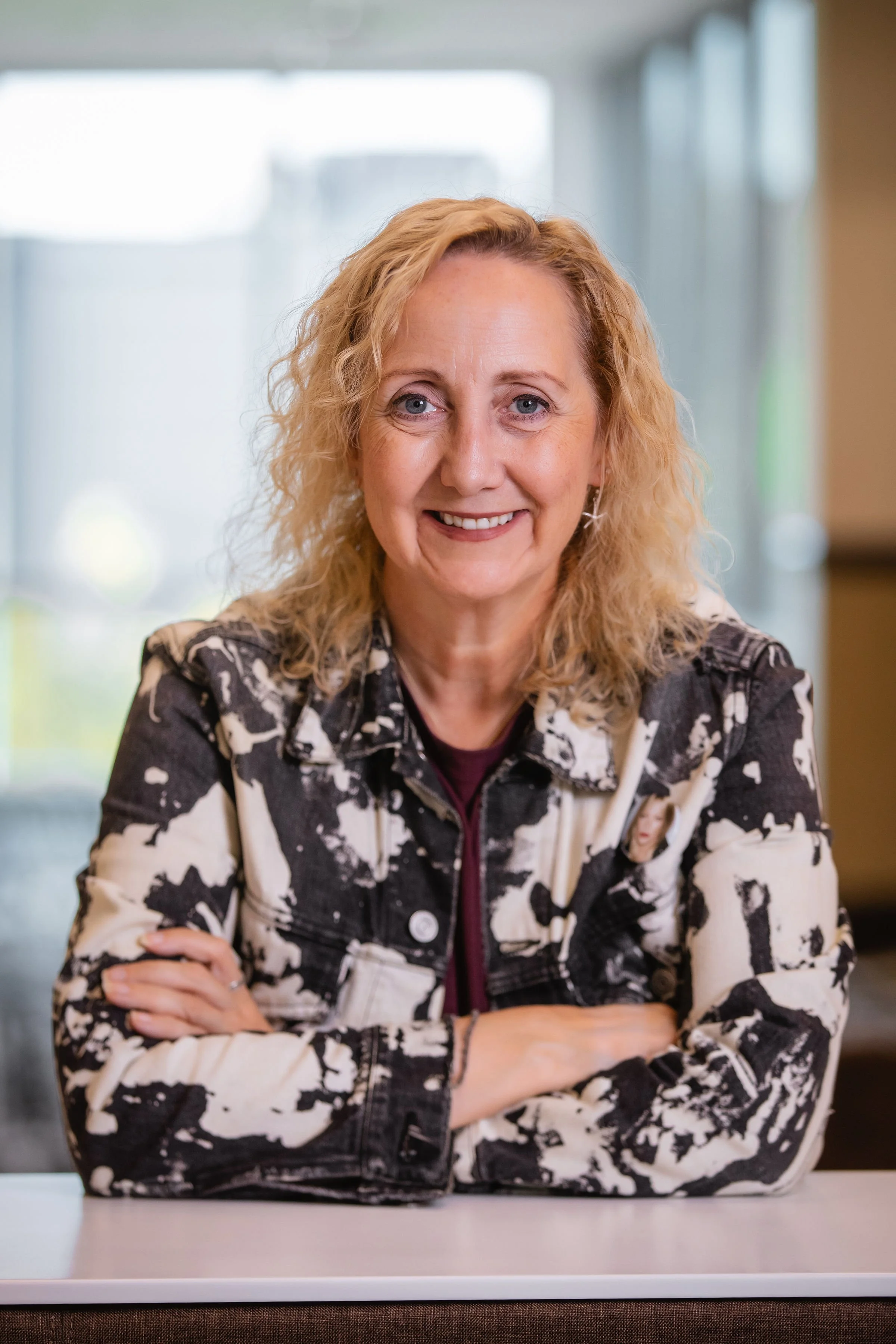
I’m Suzanne Jabour, a certified Grief Educator, Transformational Coach, and Workshop Leader. I’ve given a TEDx talk on grief, and I’ve spent years working with leaders and organizations on the human side of loss. I’ve also lived it. My son died in September 2020. I know what it is to try to function in a workplace while carrying something unspeakable. I know what support looks like when it’s real and what the absence of it costs.
I bring both to this work.
Let’s talk about what your company needs.
No two organizations are the same. The right place to start is a conversation about where you are, what’s happening in your workplace right now, and what a grief resilient culture could look like for your people
There’s no pitch, no pressure. Just a real conversation about something that matters.